
 |

|

|
 |
|||
Understanding the Importance of ELD in Trucking Industry30.09.2024 Introduction to Electronic Logging Devices (ELD)Electronic Logging Devices (ELDs) have revolutionized the way the trucking industry operates, bringing about greater efficiency, accuracy, and compliance with regulations. ELDs are electronic devices that are installed in commercial motor vehicles to https://newjobs4you.com/blogs/electronic-log-book/electronic-logbook-for-truckers-eld/ automatically record driving time, engine hours, miles driven, and other important data. They have replaced traditional paper logbooks, providing a more reliable and tamper-proof method of tracking a driver's hours of service. The implementation of ELDs has been mandated by the Federal Motor Carrier Safety Administration (FMCSA) in the United States to improve road safety and ensure that drivers adhere to Hours of Service (HOS) regulations. By using ELDs, drivers and fleet managers can easily monitor and manage driving hours, rest periods, and compliance with HOS rules, helping to prevent driver fatigue and reduce the risk of accidents caused by tired drivers. ELDs also offer benefits beyond regulatory compliance. They help streamline administrative tasks, reduce paperwork, and provide accurate data for billing and payroll purposes. With real-time tracking and monitoring capabilities, ELDs enable better route planning, vehicle maintenance scheduling, and overall fleet management. Additionally, ELDs can enhance communication between drivers and dispatchers, leading to improved efficiency and customer service. 
Understanding the importance of ELDs in the trucking industry is crucial for fleet operators , drivers , and other stakeholders. Embracing this technology not only ensures compliance with regulations but also enhances operational efficiency, safety, and profitability in the long run. Benefits of Implementing ELD in the Trucking IndustryImplementing Electronic Logging Devices (ELDs) in the trucking industry has brought about numerous benefits that have positively impacted the efficiency and safety of operations. One of the key advantages of ELDs is the improvement in compliance with Hours of Service (HOS) regulations. By automatically recording driving hours and ensuring drivers take required rest breaks, ELDs help reduce the risk of fatigue-related accidents and violations. Additionally, ELDs streamline the logging process by eliminating the need for manual paper logs, reducing paperwork errors, and saving time for both drivers and fleet managers. Real-time tracking and monitoring capabilities provided by ELDs enable better fleet management, route optimization, and improved communication between drivers and dispatchers. 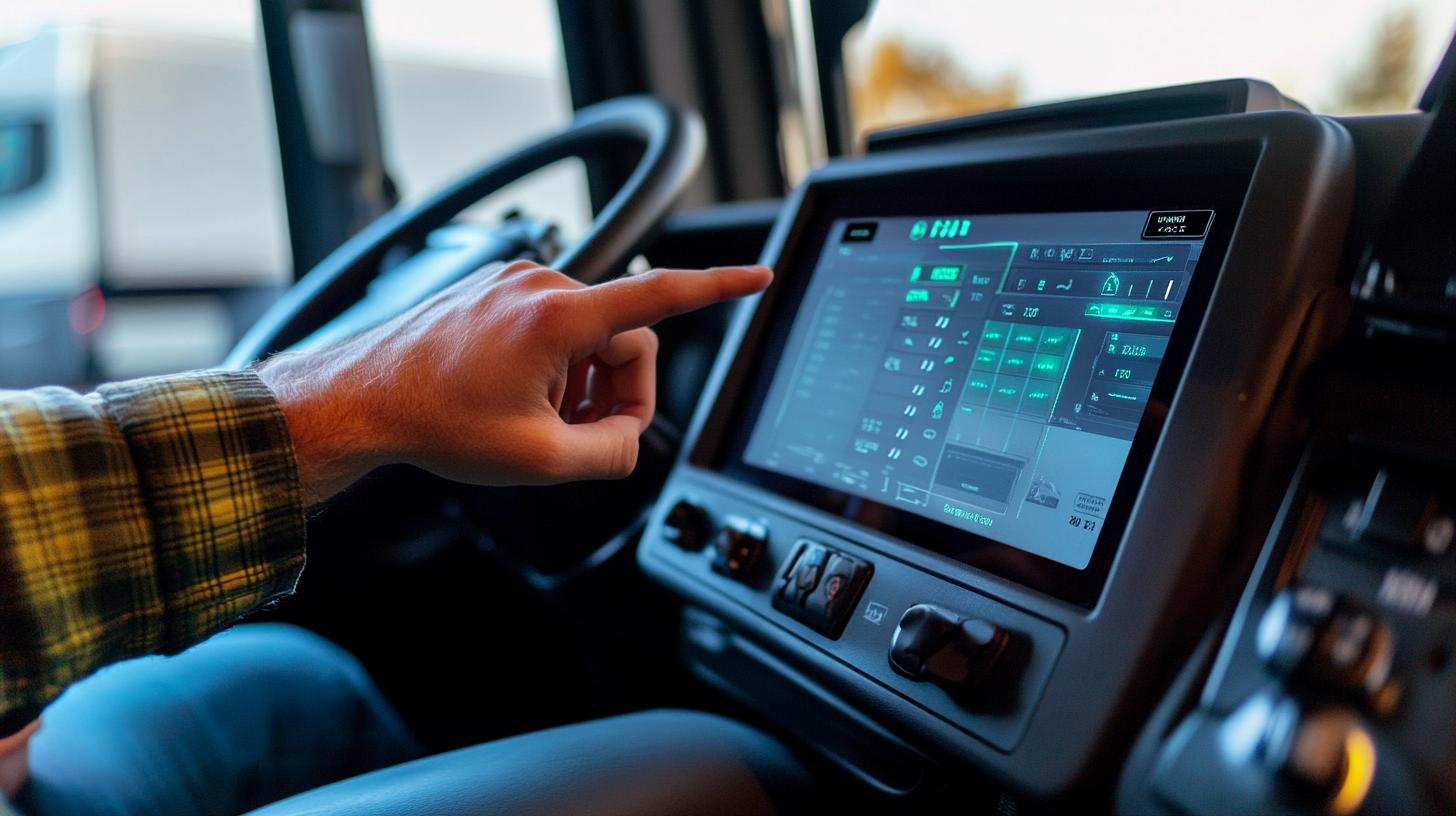
Moreover, the data collected by ELDs can be utilized for performance analysis, identifying areas for improvement, and enhancing overall operational efficiency. By having access to accurate and detailed information on driver behavior and vehicle performance, companies can make informed decisions to enhance productivity and reduce costs. Furthermore, ELDs contribute to enhanced road safety by promoting responsible driving behavior and ensuring compliance with speed limits and other safety regulations. The ability to track driver behavior and provide feedback helps in promoting a culture of safety within the trucking industry, ultimately reducing the number of accidents and improving road safety for all road users. In conclusion, the implementation of ELDs in the trucking industry offers a wide range of benefits, including improved compliance with regulations, streamlined operations, enhanced fleet management, data-driven decision-making, and increased road safety. Embracing this technology is crucial for modernizing the industry and ensuring sustainable and efficient transportation operations. 
Compliance Regulations and Requirements for ELD UsageIn the trucking industry , Electronic Logging Devices (ELDs) play a crucial role in ensuring compliance with regulations and improving safety on the roads. The Federal Motor Carrier Safety Administration (FMCSA) mandates the use of ELDs to accurately record a driver's hours of service (HOS) and monitor their driving behavior. ELDs must meet specific technical requirements set by the FMCSA to ensure accurate data collection and reporting. These devices automatically track driving time, engine hours, vehicle movement, and location information, replacing traditional paper logbooks. By using ELDs, trucking companies can easily monitor and manage their drivers' compliance with HOS regulations, reducing the risk of fatigue-related accidents. Furthermore, ELDs help streamline the inspection process during roadside checks. Law enforcement officials can quickly access a driver's electronic logs to verify their compliance with HOS rules, leading to more efficient and accurate enforcement of regulations. Non-compliance with ELD regulations can result in fines and penalties for both drivers and carriers, highlighting the importance of adhering to these requirements. 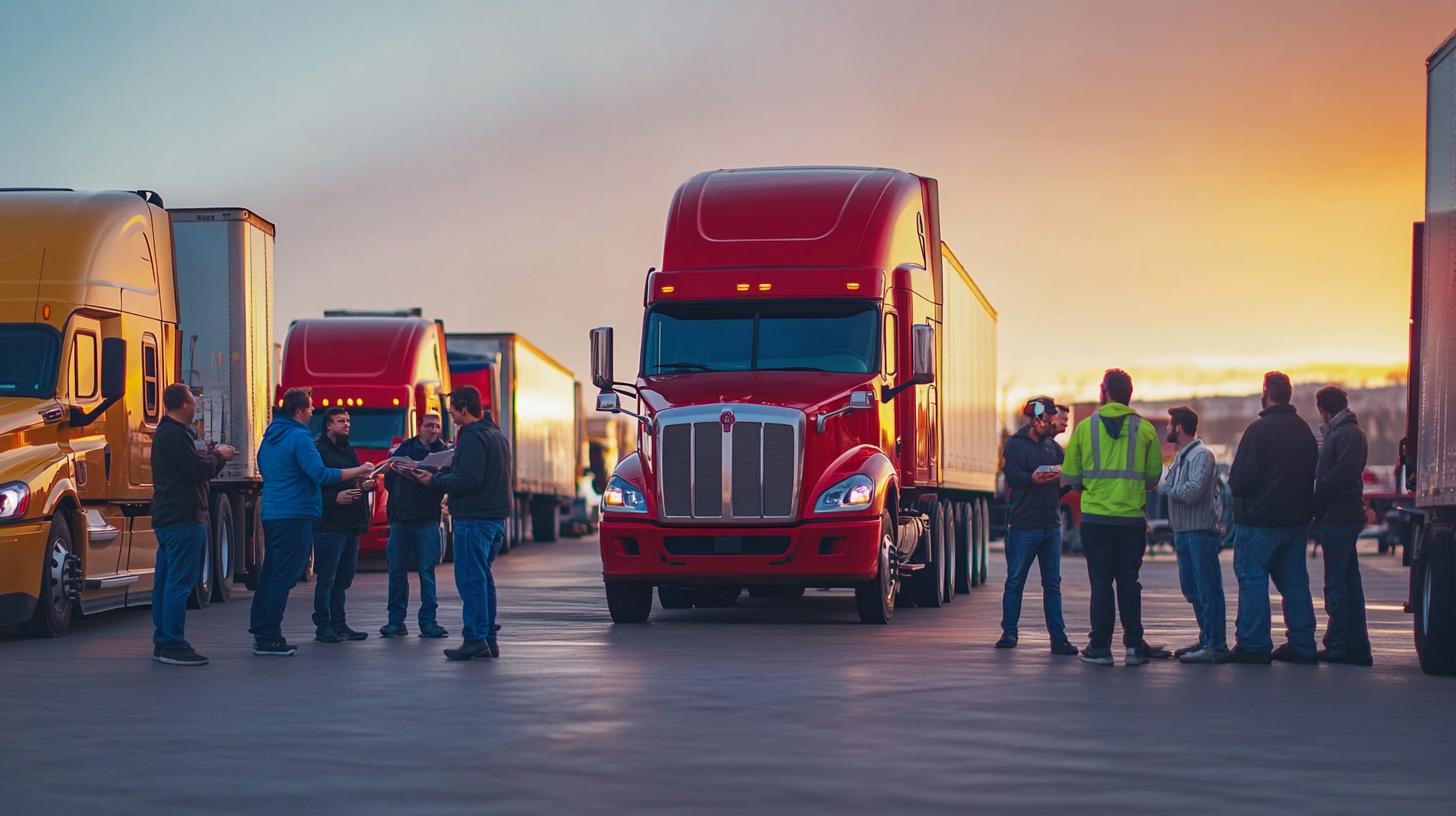




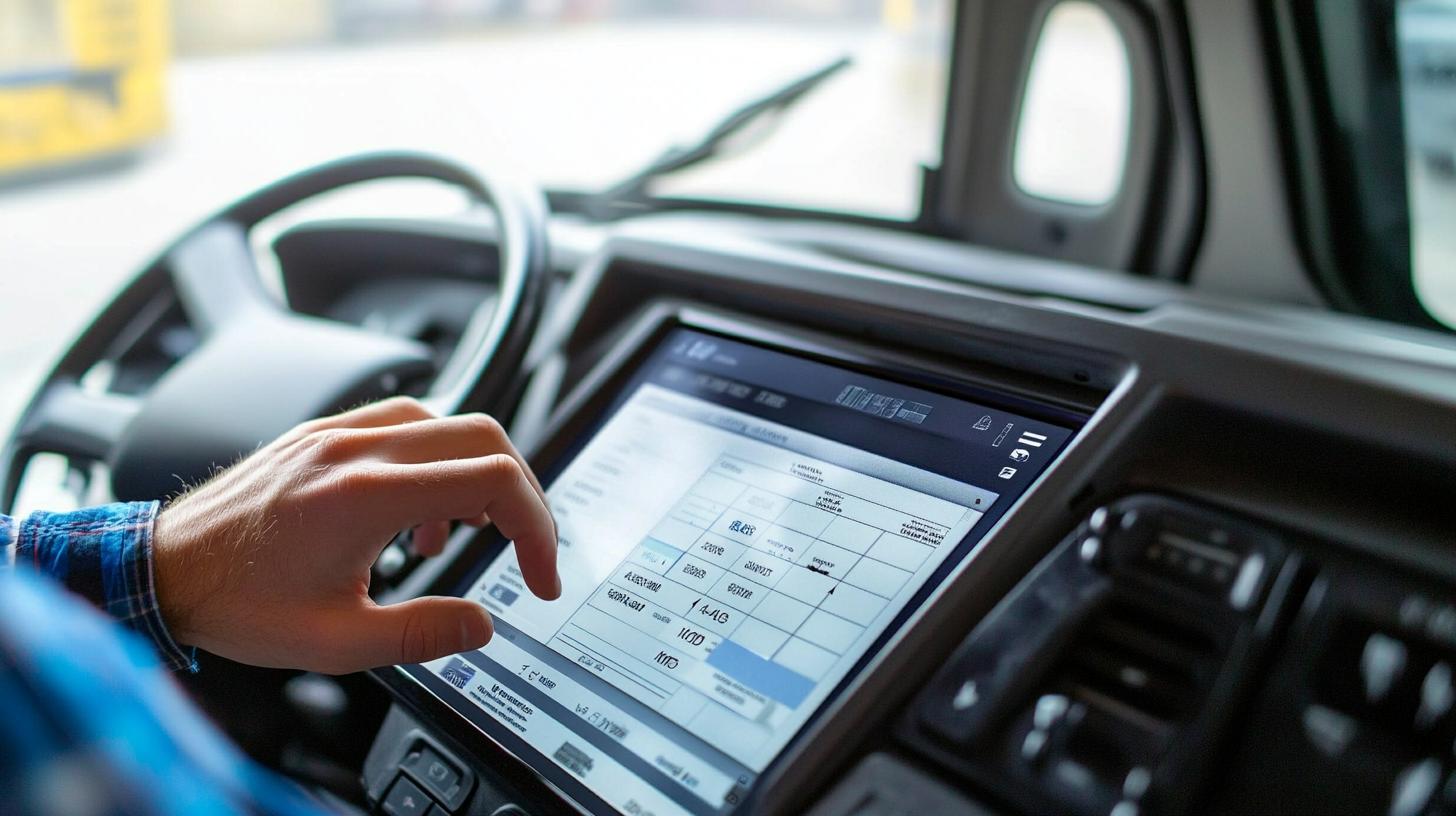
To ensure smooth operations and avoid regulatory violations, trucking companies must educate their drivers on the proper use of ELDs and provide training on compliance regulations. Implementing ELDs not only enhances safety but also improves efficiency and accountability within the industry. In conclusion, understanding the compliance regulations and requirements for ELD usage is essential for trucking companies to operate legally and safely. By embracing ELD technology and adhering to FMCSA guidelines , companies can enhance their operations, protect their drivers , and contribute to overall road safety. Impact of ELD on Driver Safety and EfficiencyThe implementation of Electronic Logging Devices (ELDs) in the trucking industry has had a significant impact on driver safety and efficiency. By mandating the use of ELDs, regulators aim to improve compliance with hours-of-service regulations, reduce the risk of driver fatigue, and enhance overall road safety. 


One of the key benefits of ELDs is their ability to accurately track and record a driver's hours of service. By automatically logging driving time and rest breaks, ELDs help prevent drivers from exceeding their allowable hours on the road, reducing the likelihood of accidents caused by fatigue. This not only improves driver safety but also enhances the safety of other road users. Moreover, ELDs provide real-time data on a driver's activities, allowing fleet managers to monitor driver behavior and address any potential issues promptly. This proactive approach enables companies to identify and correct unsafe practices , leading to a safer work environment for drivers and improved overall fleet efficiency. In terms of efficiency, ELDs streamline the logging and reporting process, eliminating the need for manual paper logs. This not only saves time for drivers but also reduces the likelihood of errors and inaccuracies in record-keeping. Additionally, ELDs can optimize route planning and vehicle utilization, leading to cost savings and improved operational efficiency for trucking companies. Overall, the impact of ELDs on driver safety and efficiency in the trucking industry cannot be overstated. By promoting compliance with hours-of-service regulations, preventing driver fatigue, and enhancing operational efficiency, ELDs play a crucial role in ensuring a safer and more productive transportation sector. Future Trends and Developments in ELD TechnologyAs the trucking industry continues to evolve, Electronic Logging Devices (ELDs) play a crucial role in enhancing efficiency, safety, and compliance. Looking ahead, several key trends and developments are expected to shape the future of ELD technology.
In conclusion, the future of ELD technology holds immense potential for transforming the trucking industry. By embracing these upcoming trends and developments, stakeholders can harness the power of ELD systems to drive innovation, efficiency, and sustainability in transportation operations. ConclusionIn conclusion, the implementation of Electronic Logging Devices (ELDs) in the trucking industry has proven to be a significant step towards improving safety, efficiency, and compliance within the sector. By mandating the use of ELDs, regulatory bodies have been able to better monitor and enforce hours-of-service regulations, reducing the risk of driver fatigue and improving overall road safety. ELDs have also brought about operational benefits for trucking companies, such as increased accuracy in tracking driver hours, streamlined record-keeping processes, and enhanced fleet management capabilities. This technology has enabled companies to optimize their operations, reduce administrative burdens, and ultimately enhance their bottom line. Furthermore, ELDs have facilitated better communication and transparency between drivers, dispatchers, and fleet managers, leading to improved coordination and decision-making. Real-time data provided by ELDs has empowered stakeholders to make informed choices, identify inefficiencies, and address potential issues promptly. As the trucking industry continues to evolve, embracing technological advancements like ELDs will be crucial for staying competitive, compliant, and safe in an ever-changing regulatory landscape. By understanding the importance of ELDs and leveraging their benefits effectively, stakeholders can drive positive outcomes for their businesses , drivers , and the industry as a whole. In conclusion, ELDs are not just a regulatory requirement but a valuable tool that can revolutionize the way trucking operations are managed, setting new standards for efficiency, safety, and compliance in the industry. |
||||||


| WELCOME | |||||||||||||
|
|||||||||||||
|
|||||||||||||
 |
Personal:
|
||||||||||||
|
Specialties:
|
||||||||||||
|
Marketing:
|
||||||||||||
|
Experience:
|
||||||||||||
|
|
||||||||||||
|
|
|
||||||
|
||||||
|
2345 Southern Blvd., Suite B4, Rio Rancho, NM 87124 |
||||||
|
|
||||||
|
WebPage Design Services by |
||||||
You are now listening to a MIDI version of "Watermelon Wine". |





 Equal Housing Opportunity
 REALTOR� -- A registered collective membership mark that identifies a real estate professional who is a member of the NATIONAL ASSOCIATION OF REALTORS� and subscribes to its strict Code of Ethics. Inquiries regarding the Code of Ethics should be directed to the board in which a REALTOR� holds membership.